The most expensive mistake people make with gluten-free eating isn't a food — it's a belief. After a celiac diagnosis, a lot of people start eating "gluten-free" cookies, pizza, and bread every day, gain weight, and feel worse, because they assume gluten-free means healthy. It doesn't. Rebuilding the week around naturally gluten-free whole foods — and prepping it ahead — is what actually changes the outcome.
Here's the myth that needs to die: gluten-free food is automatically healthy. Walk down any grocery store aisle and you'll find gluten-free cookies, gluten-free pizza, and gluten-free brownies — all with the same calories (or more) than the regular versions, just with rice flour swapped in. A gluten-free label doesn't make something a weight loss food.
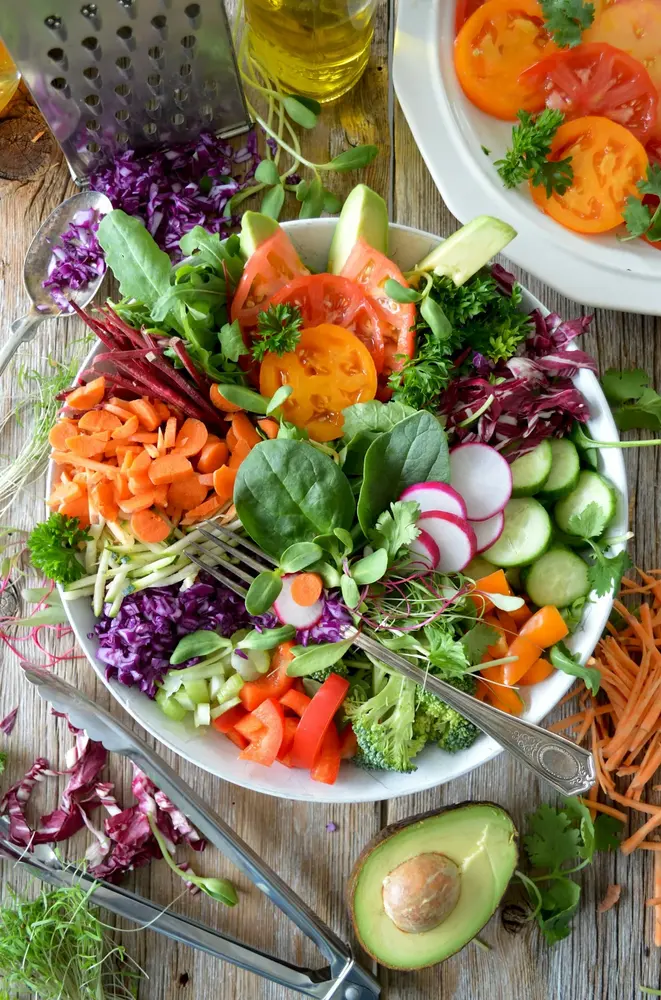
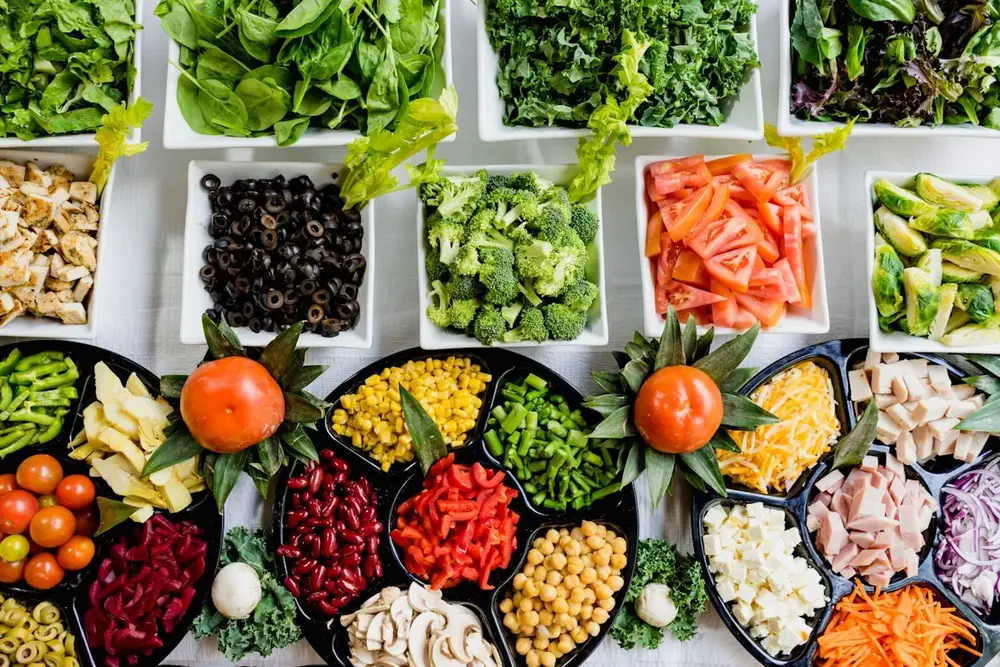
What does work? Eating naturally gluten-free whole foods and prepping them in advance. No wheat substitutes. No processed GF bread that crumbles into dust. Just real, satisfying meals built around rice, quinoa, potatoes, lean proteins, and vegetables — all of which happen to be gluten-free. Whether you have celiac disease, a gluten sensitivity, or you're simply choosing to cut wheat, this guide gives you the full system: 10 tested recipes, a 5-day meal plan, and celiac-safe tips to avoid cross-contamination. Every recipe includes full macros so you know exactly what you're eating.
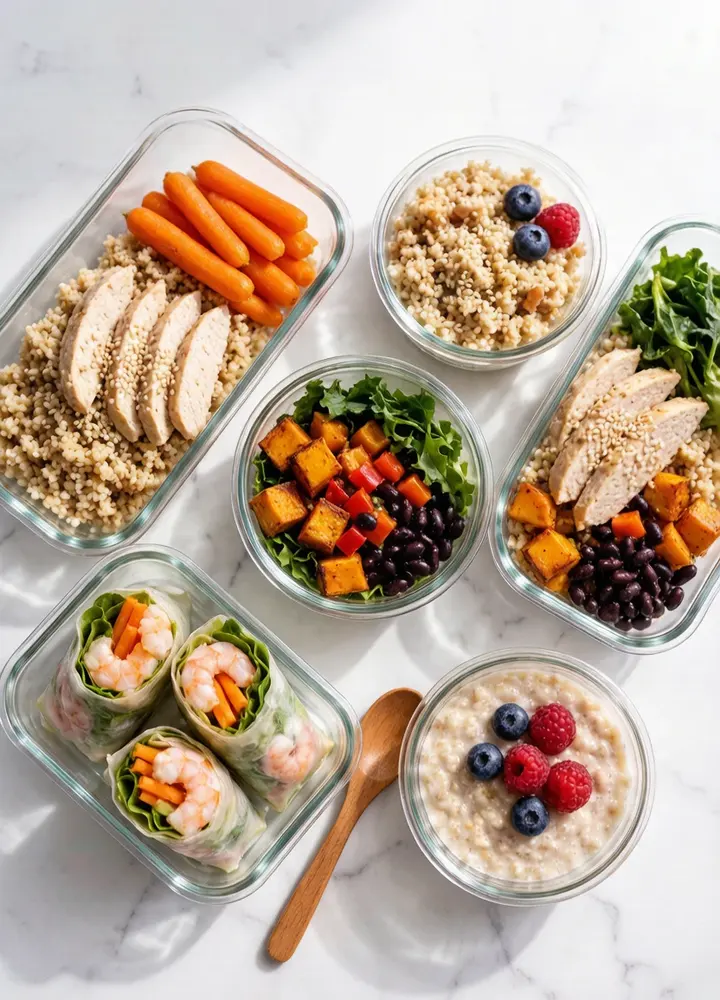
Table of Contents
- What Whole-Food GF Prepping Delivers
- Who Is Gluten-Free Meal Prep For?
- Naturally Gluten-Free Foods: Your Go-To List
- Hidden Gluten: What to Watch For in Meal Prep
- 10 Gluten-Free Meal Prep Recipes for Weight Loss
- How to Avoid Cross-Contamination in Meal Prep
- 5-Day Gluten-Free Meal Prep Plan
- Frequently Asked Questions
1. What Whole-Food GF Prepping Delivers
Packaged gluten-free substitutes are where most GF budgets and waistlines go wrong. The tables below show what switching to whole-food GF prep looks like on paper — use the first one to track your own 12 weeks.
| Week | Weight (lb) | GF prep sessions/wk | Note |
|---|---|---|---|
| 0 | 0 | Starting point — note how often you eat packaged GF substitutes | |
| 2 | Bloating from packaged GF food often fades around here | ||
| 4 | Energy usually steadies; fewer 3pm crashes | ||
| 6 | Grain bowls make an easy staple | ||
| 8 | First real trend line | ||
| 10 | Add lunch variety (wraps, salads) if boredom hits | ||
| 12 | Twelve weeks is enough data to judge |
| Metric | Amount | Why it matters |
|---|---|---|
| Calories | 1,400-1,500 | A typical fat-loss deficit below maintenance |
| Protein | 80-85 g | Eggs, chicken, Greek yogurt, and quinoa carry it |
| Carbs | ~140 g | All from rice/quinoa/potato, not GF bread |
| Fat | ~50 g | Olive oil, avocado, tahini |
| Fiber | ~19 g | The fiber that fixes the bloat |
| Approach | Weekly groceries | Annual |
|---|---|---|
| Packaged GF substitutes | ~$75-85 | ~$4,000+ |
| Whole-food GF prep | ~$50-60 | ~$2,600-3,100 |
| Typical difference | −$20-25/wk | −$1,000-1,300/yr |
The takeaway: going gluten-free usually costs less and loses more weight when you cook real food. The rest of this guide shows how to actually do it.
2. Who Is Gluten-Free Meal Prep For?
Gluten-free eating isn't a fad — for many people, it's a medical necessity. But even if you don't have a diagnosed condition, you might benefit from a wheat-free approach to meal prep. Here's who this guide is designed for:
People with Celiac Disease
Celiac disease is an autoimmune condition affecting roughly 1% of the population. When someone with celiac eats gluten — even a crumb — their immune system attacks the lining of their small intestine. Over time, this leads to nutrient malabsorption, anemia, osteoporosis, and increased risk of other autoimmune conditions. For people with celiac, gluten-free isn't optional — per the NIDDK, following a gluten-free diet is the treatment, and it's lifelong. Cross-contamination matters. Shared toasters matter. Meal prep done right becomes a lifeline.
People with Non-Celiac Gluten Sensitivity (NCGS)
NCGS affects an estimated 6-13% of people. Symptoms (bloating, brain fog, joint pain, fatigue, digestive issues) happen after eating gluten, but without the intestinal damage of celiac disease. People with NCGS may tolerate small amounts of cross-contamination that would make someone with celiac sick. Meal prep for this group is about avoidance, not the extreme caution required for celiac.
People Choosing Wheat-Free for Weight Loss
Some people cut wheat because it helps them naturally reduce processed foods. Wheat is in bread, pasta, crackers, pastries, cereals, and most packaged snacks. When you remove wheat, you remove a large chunk of highly processed, calorie-dense foods from your diet — and you often replace them with whole foods like rice, potatoes, vegetables, and lean proteins. This swap alone can create a calorie deficit without counting anything.
3. Naturally Gluten-Free Foods: Your Go-To List
The easiest way to succeed with gluten-free meal prep is to build your meals around foods that never contained gluten in the first place. No label-reading anxiety. No expensive GF substitutes. Just real food.
Gluten-Free Grains & Starches
| Grain / Starch | Best For Meal Prep | Cooked Yield / Storage |
|---|---|---|
| Rice (white, brown, jasmine, basmati) | Bowl bases, stir-fries, side dishes | 5 days refrigerated. Reheats perfectly. |
| Quinoa | Salads, bowls, breakfast porridge | 5 days. Complete protein (8g/cup). |
| Certified GF Oats | Overnight oats, energy bites, baked oatmeal | 5 days. Must be certified GF. |
| Potatoes & Sweet Potatoes | Roasted wedges, mash, baked, hash | 4-5 days. Reheat in oven for best texture. |
| Corn (tortillas, polenta, grits) | Wraps, taco bowls, breakfast grits | Check tortillas for GF certification. |
| Buckwheat | Soba noodles (100% buckwheat), porridge | Despite the name, buckwheat is naturally GF. |
Naturally GF Proteins
All unprocessed meats, poultry, fish, and eggs are naturally gluten-free. The same goes for beans, lentils, tofu, and tempeh. The danger is in processed proteins: pre-marinated meats, deli slices, sausages, veggie burgers, and breaded items often contain wheat flour or soy sauce (which contains wheat). Buy plain, raw proteins and season them yourself.
Naturally GF Vegetables & Fruits
All fresh vegetables and fruits are gluten-free. Frozen vegetables are also GF as long as they're plain (no sauces or seasonings). Canned vegetables are typically fine, but check labels on anything seasoned or in a sauce.
4. Hidden Gluten: What to Watch For in Meal Prep
If you're new to gluten-free eating, these are the sneaky sources that catch people — most people with celiac learn them the hard way.
Soy Sauce
Traditional soy sauce is brewed with wheat. It's not a trace amount — wheat is a primary ingredient. Replace with tamari (a Japanese soy sauce typically made without wheat — but still check the label) or coconut aminos (completely soy-free and wheat-free, slightly sweeter). Tamari works identically in stir-fries, marinades, and dipping sauces. This is the single most common source of accidental gluten exposure in home cooking.
Oats & Cross-Contamination
Oats are naturally gluten-free, but they're frequently grown next to wheat fields, transported in the same trucks, and processed on the same equipment as wheat. Regular oats can contain significant gluten from cross-contact. Buy certified gluten-free oats — under FDA rules, anything labeled "gluten-free" must test below 20 ppm of gluten. Brands like Bob's Red Mill GF, GF Harvest, and Trader Joe's GF oats are reliable options.
Bouillon Cubes, Stocks & Broths
Many bouillon cubes and pre-made stocks contain wheat starch or wheat-based flavorings. Knorr, Maggi, and many store-brand bouillons contain gluten. Read labels. Better Than Bouillon's organic line and Kitchen Basics stocks are generally safe, but always verify. Or make your own stock — it's cheaper and you control everything.
Spice Blends & Seasoning Mixes
Taco seasoning packets, chili seasoning mixes, curry powders, and rotisserie chicken seasoning often contain wheat flour as an anti-caking agent or filler. Pure single spices (cumin, paprika, oregano, etc.) are nearly always gluten-free. Make your own blends or buy from brands that certify GF, like McCormick (most single spices are GF, and they label clearly) or Badia.
Condiments & Sauces
Salad dressings, marinades, BBQ sauce, hoisin sauce, oyster sauce, teriyaki, and Worcestershire sauce frequently contain wheat. Check every label. Simple rule: the fewer ingredients on the label, the safer it is. Olive oil + vinegar + salt + pepper is always GF. Mustard (check for wheat starch), hot sauce, and mayonnaise are usually fine.
5. 10 Gluten-Free Meal Prep Recipes for Weight Loss
Every recipe below is 100% wheat-free, barley-free, and rye-free. They're built around naturally gluten-free ingredients — no weird substitutes, no crumbly GF bread, no xanthan gum experiments. Just real food that happens to be gluten-free. All macros are calculated per serving.
Recipe 1: Grilled Chicken & Quinoa Rice Bowl
Why it works: Quinoa is a complete protein and holds up beautifully in the fridge for 5 days without getting mushy. The tahini-lemon dressing adds healthy fats that keep you full. It's a celiac-safe staple.
Ingredients (4 Servings)
- 1.5 lbs boneless skinless chicken breast
- 1 cup quinoa, rinsed
- 2 cups water or chicken broth (check GF)
- 2 medium zucchini, diced
- 2 cups cherry tomatoes, halved
- 1 red bell pepper, sliced
- 3 tbsp olive oil, divided
- 2 tbsp tahini
- Juice of 1 lemon
- 1 clove garlic, minced
- Salt and pepper to taste
Instructions
- Cook quinoa in water or broth according to package directions (about 15 minutes). Fluff with fork and set aside.
- Season chicken with salt, pepper, and 1 tbsp olive oil. Grill or pan-sear over medium-high heat, 6-7 minutes per side until internal temperature reaches 165°F. Rest 5 minutes, then slice.
- Toss zucchini, tomatoes, and bell pepper with 1 tbsp olive oil, salt, and pepper. Roast at 425°F for 15-18 minutes.
- Whisk tahini, lemon juice, garlic, remaining 1 tbsp olive oil, and 2 tbsp water until smooth.
- Divide quinoa, sliced chicken, and roasted vegetables among 4 meal prep containers. Drizzle with tahini dressing before serving.
Macros per serving: 485 kcal | 42g protein | 38g carbs | 18g fat | 6g fiber
Kitchen note: 5 days refrigerated. I keep the lemon-tahini dressing in a tiny separate container and drizzle it on at work — the quinoa stays fluffy instead of soggy.
Recipe 2: Southwest Quinoa & Black Bean Salad
Why it works: Plant-based, high fiber (11g per serving), and gets better after a day in the fridge. The avocado goes on top when you eat it — never prep it into the container or you'll get brown mush by day 2.
Ingredients (4 Servings)
- 1 cup quinoa, rinsed
- 2 cups water
- 1 can (15 oz) black beans, drained and rinsed
- 1 cup corn kernels (fresh or frozen, thawed)
- 1 pint cherry tomatoes, quartered
- 1 avocado, diced (add fresh each day)
- 1/4 cup fresh cilantro, chopped
- 3 tbsp lime juice
- 3 tbsp olive oil
- 1 tsp ground cumin
- 1/2 tsp chili powder
- Salt and pepper to taste
Instructions
- Cook quinoa in water according to package directions. Cool completely. Pro tip: spread on a baking sheet to cool faster.
- Combine quinoa, black beans, corn, and tomatoes in a large bowl.
- Whisk lime juice, olive oil, cumin, chili powder, salt, and pepper for dressing.
- Pour dressing over quinoa mixture and toss. Fold in cilantro.
- Divide among 4 meal prep containers. Add diced avocado on top each day when ready to eat.
Macros per serving: 410 kcal | 14g protein | 48g carbs | 19g fat | 11g fiber
Kitchen note: 4 days refrigerated. It's vegan as written — add 4 oz grilled chicken (525 kcal, 42g protein) for more protein and it still holds up fine.
Recipe 3: Sheet Pan Lemon Herb Chicken & Roasted Vegetables
Why it works: One pan = minimal cleanup. Sweet potatoes and broccoli roast at the same temperature as chicken. Zero gluten-containing ingredients. This is the low-effort prep for low-energy weeks — one pan feeds you for 4 days.
Note: sheet pan meal prep assembly photos provide visual guidance — see the ingredient list and instructions below for exact quantities.
Ingredients (4 Servings)
- 1.5 lbs boneless skinless chicken thighs
- 2 medium sweet potatoes, cubed
- 3 cups broccoli florets
- 1 red onion, cut into wedges
- 4 cloves garlic, smashed
- 3 tbsp olive oil
- Juice and zest of 1 lemon
- 1 tbsp dried oregano
- 1 tbsp dried thyme
- 1 tsp paprika
- Salt and pepper to taste
Instructions
- Preheat oven to 425°F. Line a large sheet pan with parchment paper.
- Toss sweet potatoes with 1 tbsp olive oil, salt, and pepper. Spread on one side of the pan. Roast 10 minutes.
- Combine remaining olive oil, lemon juice, lemon zest, oregano, thyme, paprika, salt, and pepper.
- Toss chicken, broccoli, onion, and garlic with the lemon-herb mixture.
- Add chicken and vegetables to the sheet pan next to the sweet potatoes. Roast 20-25 minutes until chicken reaches 165°F and vegetables are tender.
- Divide among 4 meal prep containers. Add a lemon wedge to each for freshness.
Macros per serving: 450 kcal | 38g protein | 32g carbs | 20g fat | 7g fiber
Kitchen note: 4 days refrigerated. Reheat at 350°F for 10 minutes for the crispy-edge texture, or 2 minutes microwave if you're at the office. The sweet potatoes reheat better than the chicken, honestly.
Recipe 4: GF Overnight Oats with Berries & Chia
Why it works: Four breakfasts in 5 minutes of prep. Certified GF oats + protein powder turns this into a 30g protein breakfast that keeps you full until lunch. The chia seeds add fiber and omega-3s without any flavor.
Ingredients (4 Servings)
- 2 cups certified gluten-free rolled oats
- 2 cups unsweetened almond milk
- 1 cup plain Greek yogurt
- 4 tbsp chia seeds
- 4 scoops vanilla protein powder (gluten-free certified)
- 2 cups mixed berries (fresh or frozen)
- 2 tbsp maple syrup or honey (optional)
- 1 tsp vanilla extract
Instructions
- Divide oats evenly among 4 mason jars or meal prep containers.
- Add 1 tbsp chia seeds and 1 scoop protein powder to each jar.
- Pour 1/2 cup almond milk and 1/4 cup yogurt into each jar. Add vanilla extract and sweetener if using.
- Stir each jar thoroughly — this is the step people skip and end up with dry oats. Actually stir.
- Top with berries. Seal and refrigerate overnight (at least 6 hours). Eat cold or microwave 60-90 seconds.
Macros per serving: 395 kcal | 30g protein | 42g carbs | 12g fat | 10g fiber
Kitchen note: 5 days refrigerated, and they actually get creamier by day 3 — the chia and oats keep absorbing. I tell clients to stir before eating; a splash of almond milk fixes any thickness.
Recipe 5: Healthy Turkey Chili (Naturally GF)
Why it works: Chili is one of the few foods that gets better after 2-3 days in the fridge. It's naturally gluten-free — beans, tomatoes, meat, spices. No flour thickener needed because the beans do the work. This freezes perfectly for up to 3 months.
Ingredients (6 Servings)
- 1 lb lean ground turkey (93/7)
- 1 medium onion, diced
- 1 green bell pepper, diced
- 3 cloves garlic, minced
- 1 can (28 oz) crushed tomatoes
- 1 can (15 oz) kidney beans, drained and rinsed
- 1 can (15 oz) black beans, drained and rinsed
- 1 cup corn kernels
- 2 tbsp chili powder (check GF)
- 1 tbsp ground cumin
- 1 tsp smoked paprika
- Salt and pepper to taste
- 1 tbsp olive oil
Instructions
- Heat olive oil in a large pot over medium-high heat. Brown turkey, breaking it up, about 6-8 minutes. Drain excess fat.
- Add onion, bell pepper, and garlic. Cook 5 minutes until softened. The smell at this point is going to make you hungry.
- Stir in chili powder, cumin, smoked paprika, salt, and pepper. Cook 1 minute until fragrant — this wakes up the spices.
- Add crushed tomatoes, beans, and corn. Bring to a boil, then reduce heat and simmer 25-30 minutes, stirring occasionally.
- Divide among 6 meal prep containers. Serve with a dollop of Greek yogurt or sliced avocado (not included in macros). Freeze half for later if you won't eat it within 5 days.
Macros per serving: 320 kcal | 28g protein | 38g carbs | 8g fat | 11g fiber
Kitchen note: 5 days refrigerated, 3 months frozen. Portion into single containers and thaw one overnight in the fridge — it reheats to near-fresh. Great for the day-5 slump when you didn't prep again.
Recipe 6: Salmon & Roasted Sweet Potato Bowls
Why it works: Salmon is one of the best proteins for weight loss — high protein (22g per 4 oz), high omega-3s, and satisfying. Paired with sweet potato and greens, this is a 500-calorie meal that feels like way more. Naturally GF with zero substitutions.
Ingredients (4 Servings)
- 4 salmon fillets (4-5 oz each)
- 3 medium sweet potatoes, cubed
- 4 cups mixed greens or baby spinach
- 2 tbsp olive oil, divided
- 1 tsp garlic powder
- 1 tsp smoked paprika
- Juice of 1/2 lemon
- Salt and pepper to taste
- Optional: 2 tbsp everything bagel seasoning (check for GF)
Instructions
- Preheat oven to 425°F. Toss sweet potato cubes with 1 tbsp olive oil, garlic powder, salt, and pepper. Spread on a sheet pan. Roast 20 minutes.
- Pat salmon dry. Brush with remaining olive oil, sprinkle with smoked paprika, lemon juice, salt, and pepper. Add everything bagel seasoning if using.
- Push sweet potatoes to one side of the pan. Place salmon on the other side. Roast 12-14 minutes until salmon flakes easily and reaches 145°F internal.
- Divide greens among 4 containers. Top with sweet potatoes and a salmon fillet. Store lemon wedge separately.
Macros per serving: 490 kcal | 36g protein | 34g carbs | 22g fat | 6g fiber
Kitchen note: 3 days refrigerated — salmon doesn't keep as long as chicken, so I mark the container with the eat-by day. If you're prepping a full 5-day week, freeze two portions and thaw midweek.
Recipe 7: Egg & Vegetable Breakfast Cups
Why it works: Eight grams of protein per cup, grab-and-go, and endlessly customizable. No flour, no crust — just eggs and vegetables. These are naturally GF and perfect for busy mornings when you'd otherwise skip breakfast or grab a muffin.
Ingredients (12 egg cups, 4 servings of 3)
- 10 large eggs
- 1/4 cup milk or unsweetened almond milk
- 1 cup baby spinach, chopped
- 1/2 red bell pepper, finely diced
- 1/4 cup onion, finely diced
- 1/4 cup shredded cheddar cheese (optional)
- 1/2 tsp salt
- 1/4 tsp black pepper
- Oil spray for muffin tin
Instructions
- Preheat oven to 350°F. Generously spray a 12-cup muffin tin with oil (these stick easily).
- Divide spinach, bell pepper, and onion evenly among the 12 cups.
- Whisk eggs, milk, salt, and pepper until fully combined. Pour evenly over vegetables, filling each cup about 3/4 full.
- Sprinkle cheese on top if using. Bake 18-22 minutes until set in the center and lightly golden on top.
- Let cool 5 minutes, then run a knife around the edges to release. Store in fridge.
Macros per serving (3 cups): 235 kcal | 20g protein | 4g carbs | 16g fat | 1g fiber
Kitchen note: 5 days refrigerated. Reheat 45-60 seconds or eat it cold straight from the container — the rice paper doesn't get weird like flour tortillas do. A perfect grab-and-go lunch.
Recipe 8: Corn Tortilla Turkey & Veggie Wraps
Why it works: Corn tortillas are naturally GF — just check the package for GF certification since some brands process on shared equipment. Two of these wraps clock in at 380 calories with 34g protein. Way more satisfying than a sad GF sandwich on crumbly bread.
Ingredients (4 Servings / 8 wraps)
- 8 corn tortillas (certified gluten-free)
- 1 lb lean ground turkey breast
- 1 tsp cumin
- 1 tsp chili powder
- 2 cups shredded lettuce
- 1 cup diced tomatoes
- 1/2 cup shredded carrots
- 1 ripe avocado
- Juice of 1 lime
- 1/4 cup Greek yogurt
- Salt and pepper to taste
Instructions
- Brown turkey with cumin, chili powder, salt, and pepper in a skillet over medium-high heat. Cook through and set aside to cool.
- Mash avocado with lime juice and Greek yogurt until smooth — this replaces mayo and adds creaminess. Season with salt.
- Warm corn tortillas briefly in a dry skillet (30 seconds per side) so they don't crack when you roll them.
- Spread avocado mixture on each tortilla. Add turkey, lettuce, tomatoes, and carrots.
- Roll tightly. Wrap each in parchment paper for meal prep. Store avocado spread separately and assemble day-of for best texture, or assemble all at once and accept slightly softer wraps by day 4.
Macros per serving (2 wraps): 380 kcal | 34g protein | 36g carbs | 13g fat | 7g fiber
Kitchen note: 4 days refrigerated. Wrap each one tightly in parchment then foil so the rice paper doesn't dry out. The avocado spread keeps 3 days in its own sealed container — I smear it on fresh each morning.
Recipe 9: Loaded Baked Potato Meal Prep
Why it works: Potatoes are naturally gluten-free, incredibly filling, and criminally underrated for weight loss. A medium russet potato has 168 calories, 4g fiber, and 5g protein. Load it with chicken, broccoli, and Greek yogurt instead of sour cream and you have a 450-calorie meal that satisfies every comfort food craving.
Ingredients (4 Servings)
- 4 medium russet potatoes (6-8 oz each)
- 1 lb boneless skinless chicken breast, cooked and shredded
- 3 cups steamed broccoli florets
- 1/2 cup plain Greek yogurt
- 1/4 cup shredded cheddar cheese
- 2 green onions, sliced
- 1 tbsp olive oil
- Salt and pepper to taste
- Optional: 2 tbsp cooked bacon crumbles (check GF label)
Instructions
- Preheat oven to 425°F. Scrub potatoes, poke holes with a fork, rub with olive oil and salt. Bake directly on the oven rack 50-60 minutes until fork-tender.
- Meanwhile, cook and shred chicken (poach, grill, or use rotisserie — check rotisserie chicken for gluten). Steam broccoli.
- Split open each potato. Add 1/4 of the shredded chicken and steamed broccoli.
- Top with 2 tbsp Greek yogurt, 1 tbsp cheese, green onions, and bacon if using.
- Pack potatoes in meal prep containers. Store toppings separately and reheat the potato and chicken together, then add cold toppings.
Macros per serving: 455 kcal | 42g protein | 40g carbs | 14g fat | 6g fiber
Kitchen note: 4 days refrigerated. Reheat the potato and chicken 2 minutes, then add the cold yogurt and toppings after — keeps the textures separate. A squeeze of lime at the end makes it taste fresh again.
Recipe 10: Tropical Green Smoothie Bowls
Why it works: Smoothie bowls feel like a treat but deliver greens, fruit, and protein all at once. Pre-portion the frozen ingredients into bags for the week, then just dump and blend each morning. Completely gluten-free — no oats, no grains needed.
Ingredients (4 Servings)
- 4 cups baby spinach
- 3 cups frozen mango chunks
- 2 cups frozen pineapple chunks
- 2 ripe bananas, sliced and frozen
- 2 scoops vanilla or unflavored protein powder (GF certified)
- 1.5 cups unsweetened coconut milk or almond milk
- 2 tbsp chia seeds
- Toppings (per bowl): 1 tbsp unsweetened coconut flakes, 1 tbsp pumpkin seeds, 1/4 cup fresh berries
Instructions
- Prep day: Divide spinach, mango, pineapple, and banana into 4 freezer bags. Label and freeze.
- Each morning: Dump one bag into a blender. Add 1/2 scoop protein powder, 1/3 cup milk, and 1/2 tbsp chia seeds. Blend until smooth, adding more milk 1 tbsp at a time if needed. Mixture should be thicker than a drinkable smoothie.
- Pour into a bowl. Top with coconut flakes, pumpkin seeds, and fresh berries.
- Eat immediately with a spoon. Smoothie bowls do not store after blending — the prep is in the frozen bags.
Macros per serving: 380 kcal | 22g protein | 52g carbs | 12g fat | 9g fiber
Kitchen note: The smoothie pack goes in freezer bags for 3 months — just dump into the blender with liquid each morning. Pre-portion into 5 daily bags on Sunday so breakfast is a 60-second blend. No GF oats needed if you use certified GF rolled oats in the bag.
6. How to Avoid Cross-Contamination in Meal Prep
If you have celiac disease, cross-contamination isn't about preference — it's about preventing intestinal damage. Even crumbs matter. If you share a kitchen with gluten eaters, these steps are non-negotiable.
Kitchen Setup for Safe GF Meal Prep
- Clean before you start. Wipe counters, sink, stove handles, and cabinet handles with hot soapy water and a fresh cloth. Flour dust can stay airborne for 24 hours and settle on surfaces. If someone baked with wheat flour in your kitchen today, wait until tomorrow to do your GF meal prep.
- Use separate equipment. If possible, have dedicated GF cutting boards, colanders, and utensils. Porous materials (wood, bamboo) absorb gluten and can't be fully cleaned. Switch to non-porous: plastic, glass, metal, or silicone cutting boards. At minimum, use a separate colander for GF pasta — gluten residue sticks in the holes.
- No shared toaster. Toasters are cross-contamination machines. Crumbs from regular bread stick to the heating elements and transfer to anything you toast. Buy a dedicated GF toaster (they're $15-20) or use toaster bags. Label the GF toaster clearly.
- Separate condiment jars. If someone dips a knife into peanut butter, spreads it on regular bread, then double-dips — the entire jar is now contaminated. Use squeeze bottles for shared condiments, or keep separate GF-labeled jars of peanut butter, butter, mayo, and jam.
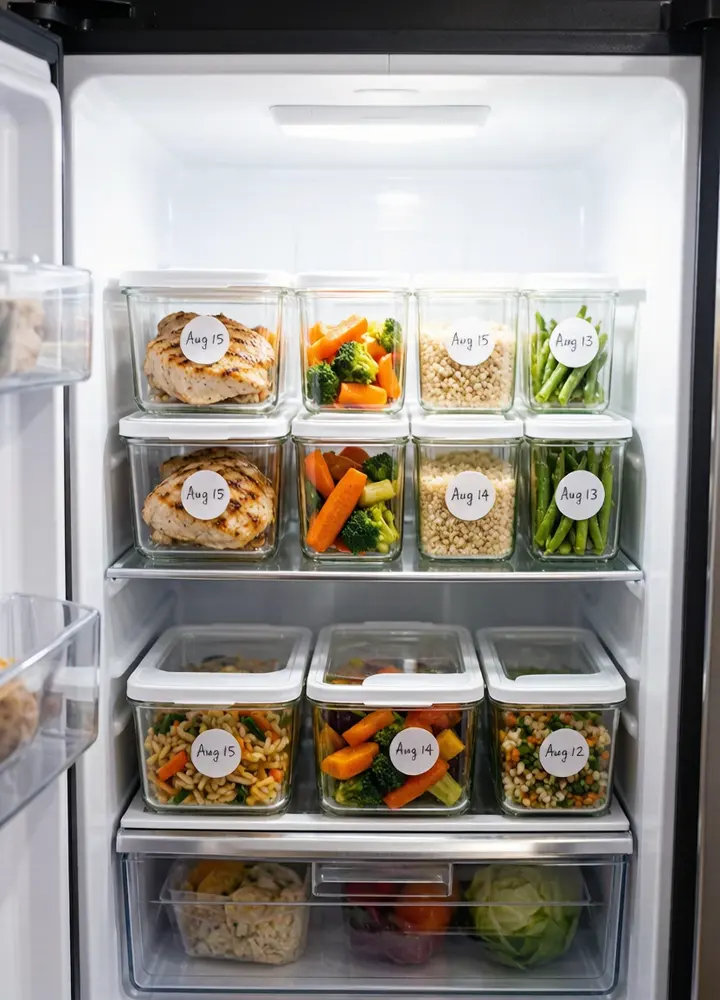
- Store GF meals on the top shelf. In a shared fridge, store your GF meal prep containers on the highest shelf. This prevents crumbs or drips from other foods falling onto your meals. Use clearly labeled containers — masking tape and a Sharpie work fine.
- Check your cookware. Cast iron skillets and scratched non-stick pans can harbor gluten in the porous surface or scratches. If you cook GF and non-GF in the same pans, the GF meal should go first, or use a dedicated pan.
7. 5-Day Gluten-Free Meal Prep Plan
This plan uses the recipes above. You'll spend about 2 hours on Sunday prepping everything for the week. Each day totals 1,400-1,600 calories with 110-130g of protein — perfect for weight loss for most moderately active adults.
| Day | Breakfast | Lunch | Dinner | Snack | Total Cal |
|---|---|---|---|---|---|
| Monday | GF Overnight Oats (395 cal) | Chicken Quinoa Bowl (485 cal) | Sheet Pan Chicken (450 cal) | Apple + 1 tbsp almond butter (180 cal) | 1,510 |
| Tuesday | Egg Cups x3 (235 cal) | Southwest Quinoa Salad (410 cal) | Loaded Potato + Chicken (455 cal) | Greek yogurt + berries (150 cal) | 1,250 |
| Wednesday | GF Overnight Oats (395 cal) | Turkey Corn Wraps x2 (380 cal) | Turkey Chili (320 cal) | Rice cake + 1 tbsp PB (155 cal) | 1,250 |
| Thursday | Tropical Smoothie Bowl (380 cal) | Chicken Quinoa Bowl (485 cal) | Salmon Sweet Potato (490 cal) | Hard-boiled egg (70 cal) | 1,425 |
| Friday | Egg Cups x3 (235 cal) | Southwest Quinoa Salad (410 cal) | Turkey Chili (320 cal) + side salad (50 cal) | Apple + 1 tbsp almond butter (180 cal) | 1,195 |
Sunday Prep Checklist
- Cook grains: Make 1 cup quinoa for bowls + 1 cup quinoa for salad (30 min total)
- Overnight oats: Assemble 4 jars (5 min)
- Chicken quinoa bowls: Grill chicken, roast veggies, make dressing (40 min)
- Turkey chili: Stovetop, then simmer while you do other prep (45 min)
- Sheet pan chicken: Everything on one pan (45 min)
- Southwest quinoa salad: Mix cold ingredients while sheet pan roasts (10 min)
- Egg cups: Bake 12 cups (25 min)
- Turkey wraps: Cook meat, prep toppings (assemble fresh or pre-wrap) (15 min)
- Loaded potatoes: Bake potatoes (60 min, largely hands-off)
- Salmon sweet potato: Day-of or make 2 days ahead (30 min)
- Smoothie bowls: Bag and freeze ingredients (10 min)
- Snacks: Portion almonds, wash apples, boil 4 eggs
8. Frequently Asked Questions
"Can I lose weight on a gluten-free diet?"
Yes — but only if you swap wheat-based processed food (bread, pasta, crackers, cookies) for naturally gluten-free whole foods. Packaged "gluten-free" cookies, pizza, and bread carry the same calories (or more) as the regular versions. Gluten-free junk food is still junk food. The recipes here average 350-485 calories with 25-42g of protein because they're built on whole ingredients, not GF substitutes.
"Are oats gluten-free?"
Oats are naturally gluten-free — their protein (avenin) is different from wheat gluten — but cross-contamination is the real problem. They're often grown in rotation with wheat and processed on shared equipment. If you have celiac disease, buy certified gluten-free oats only: dedicated fields, dedicated facilities, batch-tested under 20 ppm. Regular grocery-aisle oats aren't safe for someone with celiac. Bob's Red Mill GF and GF Harvest are the two reliable brands used in the breakfast recipes here.
"What's the best gluten-free grain for weight loss?"
Quinoa is the top pick: a complete protein (8g per cooked cup vs. 4-5g in rice), 5g fiber, and it doesn't turn to mush after 4 days in the fridge — which matters when you prep once for the whole week. Brown rice is a cheaper second. Certified GF oats are perfect for breakfast bowls. Skip millet for prep (dries out fast). Every grain in this guide is naturally GF and holds up through a 4-5 day cycle, and that's exactly what makes the plan something you'll actually stick with.
"Do I need to worry about gluten in spices?"
Pure single spices (cumin, paprika, oregano, garlic powder) are safe. The danger is blends — taco seasoning, curry powder, and "all-purpose" mixes often use wheat flour as filler. Read every label: wheat flour, wheat-based modified food starch, or maltodextrin of unknown source means skip it. Making your own blends from single spices is cheaper, lower in salt, and zero guessing. McCormick labels gluten clearly, so their single spices are an easy default when you don't want to blend your own.
Ready to start your gluten-free meal prep?
- How to Start Meal Prep for Weight Loss: The Complete Beginner's Guide — start here if you're new to meal prep
- 15 Easy Meal Prep Ideas for Weight Loss — more recipes that work, period
- Meal Prep Storage Tips: How to Keep Food Fresh All Week — containers, storage times, and what not to do
- Meal Prep for Weight Loss on a Budget: $50/Week — gluten-free doesn't have to be expensive
Get the Free Gluten-Free Meal Prep Starter Kit
Printable grocery list, 5-day plan, and the complete recipe card set — all gluten-free and designed for weight loss.
References
- U.S. Food and Drug Administration (FDA) — Gluten-Free Labeling of Foods
- National Institute of Diabetes and Digestive and Kidney Diseases (NIDDK) — Celiac Disease